


3 min read
Balancing Senior Independence and Safety at Home
By: Mary Kate Krueger on February 25, 2026 at 12:29 PM
A Collaborative Approach
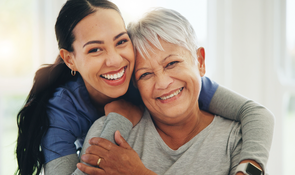
For seniors, maintaining independence is about more than just living alone or driving a car—it's about dignity and identity. However, for families and caregivers, safety is the priority. How can we balance both? The key lies in a collaborative approach. Instead of making decisions for older adults, families should involve them in the decision-making process. This approach respects their autonomy while ensuring their safety.
Recent high-profile incidents, such as the kidnapping of an eighty-four-year-old woman, have sparked national discussions about the fine line between protection and restriction. Overly restrictive measures can erode confidence and autonomy, making seniors feel less in control of their lives. A collaborative approach can help families protect their aging loved ones without overstepping boundaries.
Preventing Falls: Simple Steps for a Safer Home
Falls are one of the leading causes of injury among adults aged sixty-five and older. Most falls occur at home and can significantly impact mobility, confidence, and long-term independence. Fortunately, fall prevention is effective and straightforward.
Strength and balance exercises can help improve muscle strength, coordination, reaction time, and body awareness. These exercises also boost confidence, leading to more stable walking patterns. Additionally, reviewing medications can significantly reduce fall risk. As we age, our bodies process medications differently, so drugs that were once well-tolerated can suddenly cause side effects like dizziness or sleepiness. A thorough medication review can help identify and mitigate these risks.
Improving home lighting is another effective way to prevent falls. Good lighting enhances visual clarity, depth perception, and hazard awareness. Installing grab bars in high-risk areas like bathrooms can provide essential stability and balance support. These small adjustments can make a significant difference in ensuring a safer living environment for seniors.
Medication Management: Reducing Risks for Seniors
Medication management is crucial for senior safety. As people age, their bodies process medications differently, increasing the risk of side effects that can lead to falls and other health issues. A comprehensive medication review should include all prescriptions, over-the-counter medications, and supplements.
Discussing side effects, especially those that cause dizziness or sleepiness, is essential. Even small adjustments, such as changing the time of day a medication is taken, can reduce fall risk. Coordinating with healthcare providers to regularly review and adjust medications can significantly enhance senior safety and well-being.
Home Modifications: Enhancing Safety and Confidence
Most older adults prefer to age in place, but many homes aren't designed with aging in mind. Simple home modifications can significantly improve safety and support independence. Removing loose rugs, adding railings, and improving bathroom accessibility are some of the most effective changes.
Increasing lighting in hallways and staircases can also enhance safety. These modifications not only prevent falls but also boost confidence, allowing seniors to move around their homes more freely and securely. A safer home environment supports independence and enhances the quality of life for older adults.
Social Engagement: Combating Loneliness and Isolation
Loneliness can affect anyone, but seniors are particularly vulnerable. Social isolation increases health risks and makes seniors more susceptible to emergencies or scams. Staying connected is not only good for mental health but also a powerful safety strategy.
Regular calls or visits with family and friends, joining local senior center activities, and signing up for hobby groups, book clubs, or fitness classes can create a strong support network. Even small interactions, like weekly coffee chats with neighbors, can make a big difference. Encouraging social engagement helps combat loneliness and fosters a sense of community and security.
Leveraging Technology: Empowering Seniors with Supportive Tools
Technology is playing an increasingly important role in senior safety and independence. Wearable fall detectors, motion sensors, and medical alert systems are just a few of the options available. While some seniors may worry about privacy, introducing technology as a support tool rather than surveillance can be empowering.
When chosen together and used respectfully, technology can provide peace of mind without sacrificing autonomy. Wearable devices can alert caregivers in case of a fall, and motion sensors can monitor daily activities without being intrusive. These tools can significantly enhance safety and independence, allowing seniors to live confidently and securely in their homes.
A thoughtful balance
Balancing senior independence and safety does not have to be a competing interest. With open communication, proactive planning, environmental awareness, thoughtful use of technology, and strong community connections, seniors can live safely and confidently. Whether it's through fall prevention, medication management, home modifications, social engagement, or supportive technology, these strategies can make a significant difference in the lives of older adults. By working together, families and caregivers can ensure that seniors maintain their dignity and independence while staying safe.
Related Posts
Planning For The Future: How To Make Your Wishes Known
Establishing a will can be a daunting task. Nobody wants to think about what will happen to their...
How To Start The Hospice Process
Hospice. An intimidating word to hear at first, and one that leads to a new chapter life. If you...
The Calm Before the Storm: 5 Preparedness Tips for Seniors During Hurricane Season
Hurricanes are among the most destructive natural disasters, and they can pose unique challenges...